DHI’s new supported dry house, Hawthorn House, quietly opened its doors last summer, offering people in South Gloucestershire a safe and peaceful place to begin their recovery from problematic drug and alcohol use.
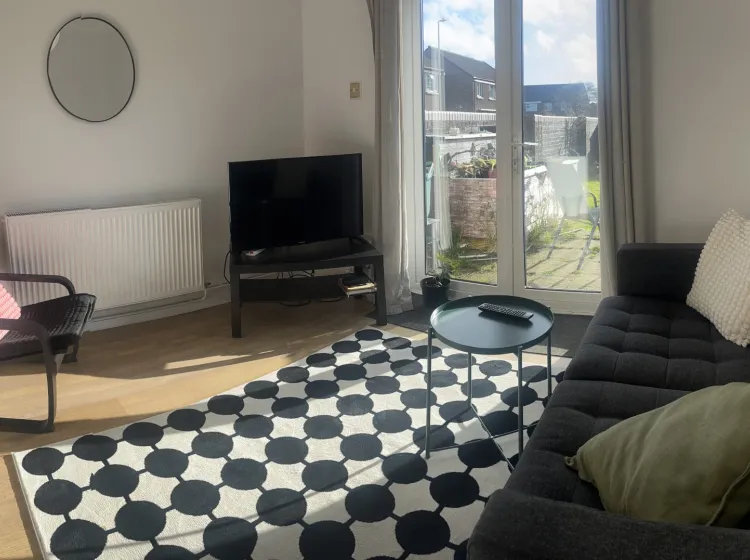
The house has four bedrooms, all recently painted and decorated to a high standard. With its bright, airy rooms, modern kitchen and bathrooms and a large sunny garden, it provides a calm environment for people taking their first steps towards abstinence.
The house includes two detox rooms and two longer term supported living rooms. Most clients start with a two‑week community detox, receiving medical supervision to ensure their safety while being supported by DHI staff. After this initial stay, they return home and continue their abstinence with help from DHI and partner services.
Faye Hewitt, Recovery Navigator based at Hawthorn House, says the first few days are often quiet: “The first week clients tend to stay in their rooms. The second week they may start to go to groups.”
She adds: “It’s so peaceful here. It’s the perfect place for them to step away from the pressures of their everyday lives and begin their recovery journeys.”
All clients are referred through DHI’s South Gloucestershire Drug and Alcohol Service, usually by their GP. They are supported to reduce their use gradually through DHI’s 10‑week Prep for Change course before being assessed by GP partners Hanham Health to ensure they are suitable for a community detox.
At the house, detoxes are medically overseen by Maxine Brown, Substance Misuse Nurse Specialist at Hanham Health.
Once in the house, clients can follow a timetable of groups and activities designed to help rebuild confidence, structure and social connection. These include online counselling, the Health and Happiness Group run by Southern Brooks in Bradley Stoke, the Making Changes Group led by DHI’s Tim Marriott, and visits to any other activities or social groups that help clients build healthy interests and a solid support network.
Trained Peer Support Workers, like Scott, who is advanced in his recovery, also provide one‑to‑one mentoring support on site. Clients are encouraged to visit community resources such as the Mustard Seed Café for free food, drinks and advice.
Faye says the house gives people a chance to relearn life skills and integrate into communities: “People come to the house when they are sick of the life they are leading. Addiction can rob you of self‑esteem and the ability to do things for yourself. Being at the house is a chance to relearn skills – cooking, cleaning, living with others.”
She says spending time with clients is one of the most rewarding parts of her role:
“I like the fact I have time to support them and get to know them a bit more. It’s great seeing clients who have come in very nervous then blossom with the right support. They become more confident, their skin looks better. And the peer support really helps – they think: ‘If he’s done it, I can do it.’”
After months of preparation, the house is now fully operating. Faye says: “It feels so good that the rooms are now filled and it’s all going well.”
Get news from Developing Health & Independence in your inbox. See our privacy policy.